Blog

  • 10 Advantages of Wood as a Building Material

    10 Advantages of Wood as a Building Material

    Steel, concrete and composites all have their place, but wood remains one of the most versatile and rewarding materials an architect or homeowner can choose. Here are ten reasons it keeps earning its place on the building.

    1. It is renewable

    Wood is grown. In British Columbia, reforestation after harvesting is a legal obligation, according to the Province of B.C.

    2. It stores carbon

    Trees absorb carbon as they grow, and wood products continue to store that carbon over their lifetime, according to naturally:wood.

    3. It insulates

    Western Red Cedar is one of the best thermal insulators among commonly available softwoods, thanks to its low density and air-filled cell structure (Real Cedar).

    4. It softens sound

    Wood’s cellular structure dampens vibration. Real Cedar notes Western Red Cedar is particularly effective for sound absorption in walls, floors and ceilings.

    5. It is strong for its weight

    Western Hemlock’s strength and stiffness make it a preferred material for horizontal components and longer spans (naturally:wood).

    6. It can be naturally durable

    Western Red Cedar heartwood contains natural extractives, including thujaplicin, that help it resist decay and insects (naturally:wood). Thermally modified wood such as Lunawood gains durability through heat and steam alone.

    7. It stays true

    Western Red Cedar is among the most dimensionally stable softwoods, resisting warping, twisting and checking (Real Cedar), and thermal modification improves the stability of Lunawood.

    8. It is easy to work

    Western Red Cedar is easy to work with tools and sands and glues well (naturally:wood), which keeps installation and site adjustments straightforward.

    9. It goes everywhere

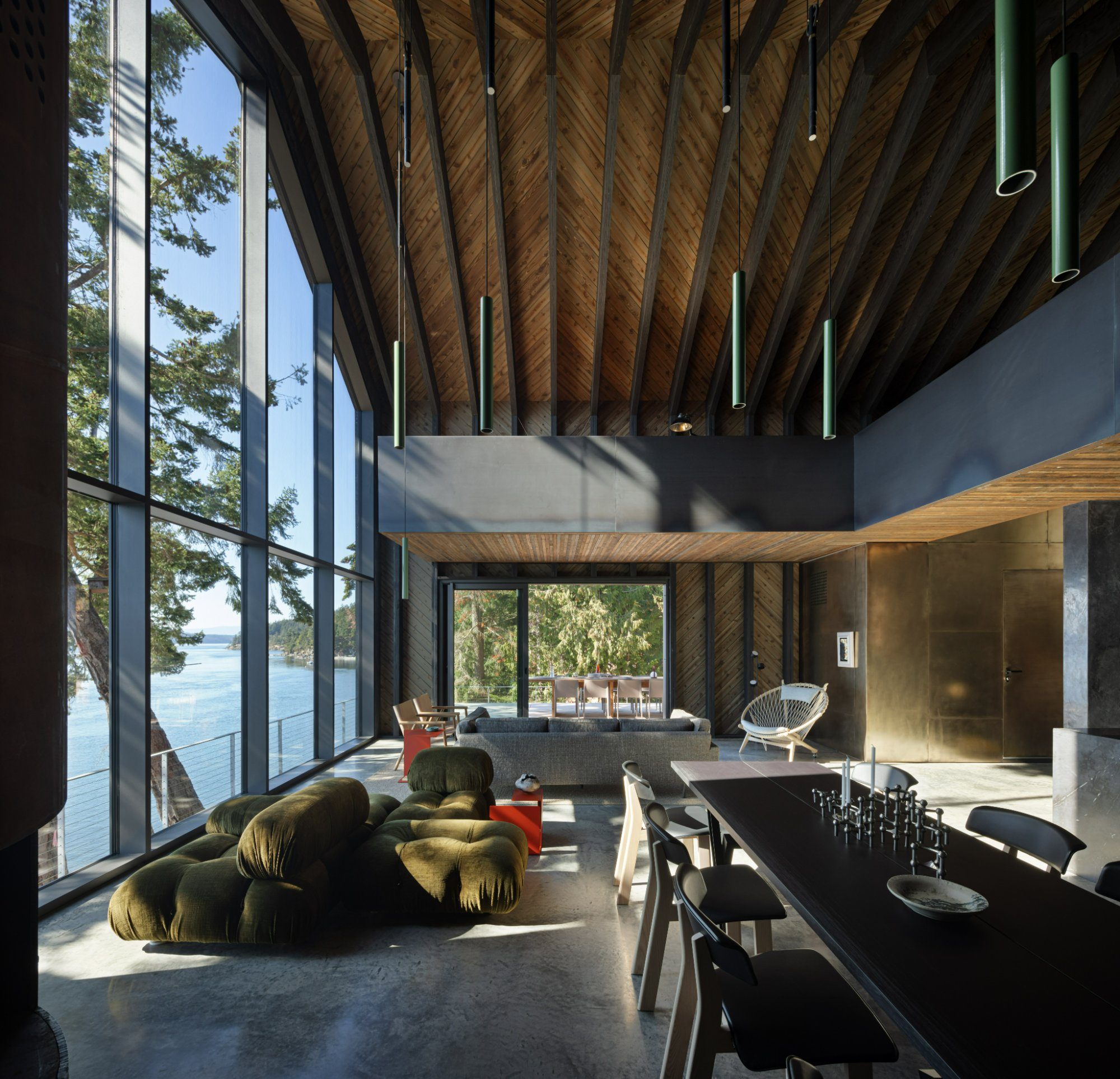
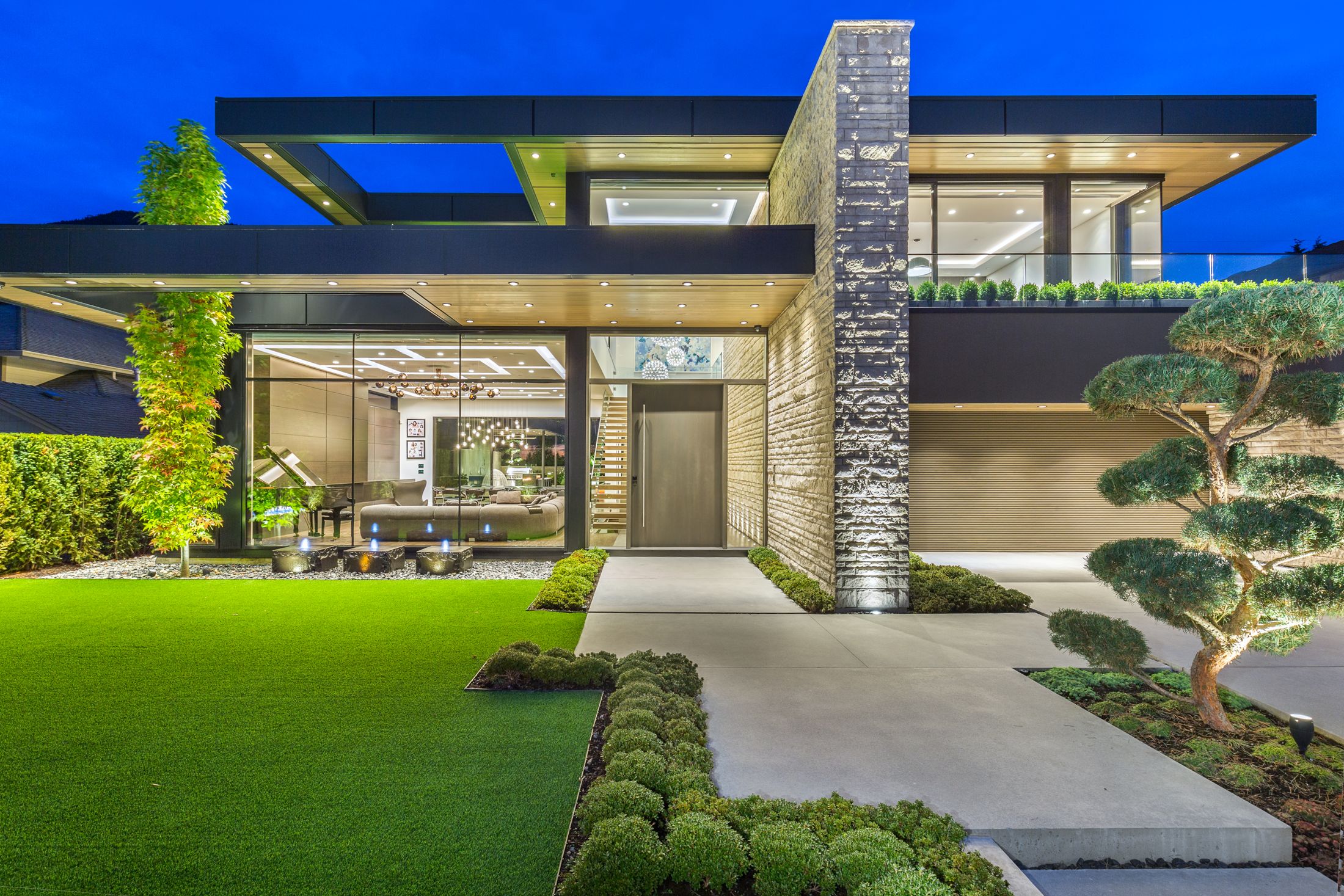
    The same wood can run from exterior cladding and soffits to interior walls and ceilings, tying inside and outside together.

    10. It can be renewed

    Wood cladding can be washed and re-sealed rather than replaced. Sealed on all six faces and cared for with a simple maintenance program, it keeps its look for years.

    Choosing wood for your project

    The Crisp program covers Western Red Cedar, Western Hemlock and Lunawood in twenty-seven colours, with custom species, profiles and sizes available. Explore the collections or order samples.

    Sources: Province of B.C., Reforestation; naturally:wood, Carbon and climate, Western red cedar and Western hemlock species pages; Real Cedar, Characteristics and Properties of Western Red Cedar.

  • Thermally Modified Wood: Uses, Benefits and What to Know

    Thermally Modified Wood: Uses, Benefits and What to Know

    Thermally modified wood has become a go-to for architects and builders who want real wood on a facade without the upkeep worries. Here is what it is, where it works best, and what to plan for.

    What is thermally modified wood?

    Thermal modification changes wood using heat and steam in a controlled process. Lunawood, the Finnish producer we partner with, modifies slow-grown Nordic softwood using heat and steam only, with no chemicals at any stage.

    The process removes resin from the wood and leaves it with an exceptionally low moisture content, according to Lunawood. The change runs through the whole board, not just the surface.

    The benefits

    • Stability. Thermal modification improves dimensional stability, so boards move less with changes in humidity.
    • Durability. The process increases resistance to decay. Lunawood gives an expected service life for exterior cladding of up to 30 years.
    • No chemicals. Heat and steam do the work, with nothing added to the wood.
    • Carbon storage. Lunawood’s Environmental Product Declaration reports that its Nordic products store up to five times more carbon than is released during their production.
    • Resin-free. With the resin removed, the wood suits interiors and even saunas.

    Where to use it

    Lunawood describes its products for facades, landscaping, interiors and saunas. In the Crisp program, Lunawood is used for:

    • Exterior cladding
    • Exterior soffits and ceilings
    • Interior walls and ceilings

    What to know before you specify

    • It weathers. Left uncoated, thermally modified wood greys to a silver patina. Lunawood notes this is purely visual and does not affect durability or stability.
    • Hairline cracks can appear. Weathering can cause small surface cracks, which Lunawood says do not affect the product’s durability.
    • Skip linseed oil. Lunawood advises against linseed oil on its products, as it can promote fungal growth.
    • Follow the installation guide. Ventilation, clearances and fixing matter. See the Lunawood requirements in our installation guide.

    Lunawood at Crisp

    Crisp is a Lunawood Partner. Our program includes Lunawood Fineline in seven colours and Lunawood Triple, a 3D cladding profile, in four colours. Every board is sealed on all six faces and delivered complete, with a gallon of touch-up stain in every order.

    View Lunawood colours · Order samples

    Sources: Lunawood Collection 2026 North America; Lunawood Environmental Product Declaration; Lunawood Installation Guide for Facades (11/2025); Lunawood ThermoWood Cladding Maintenance and Care Guide (2026).