
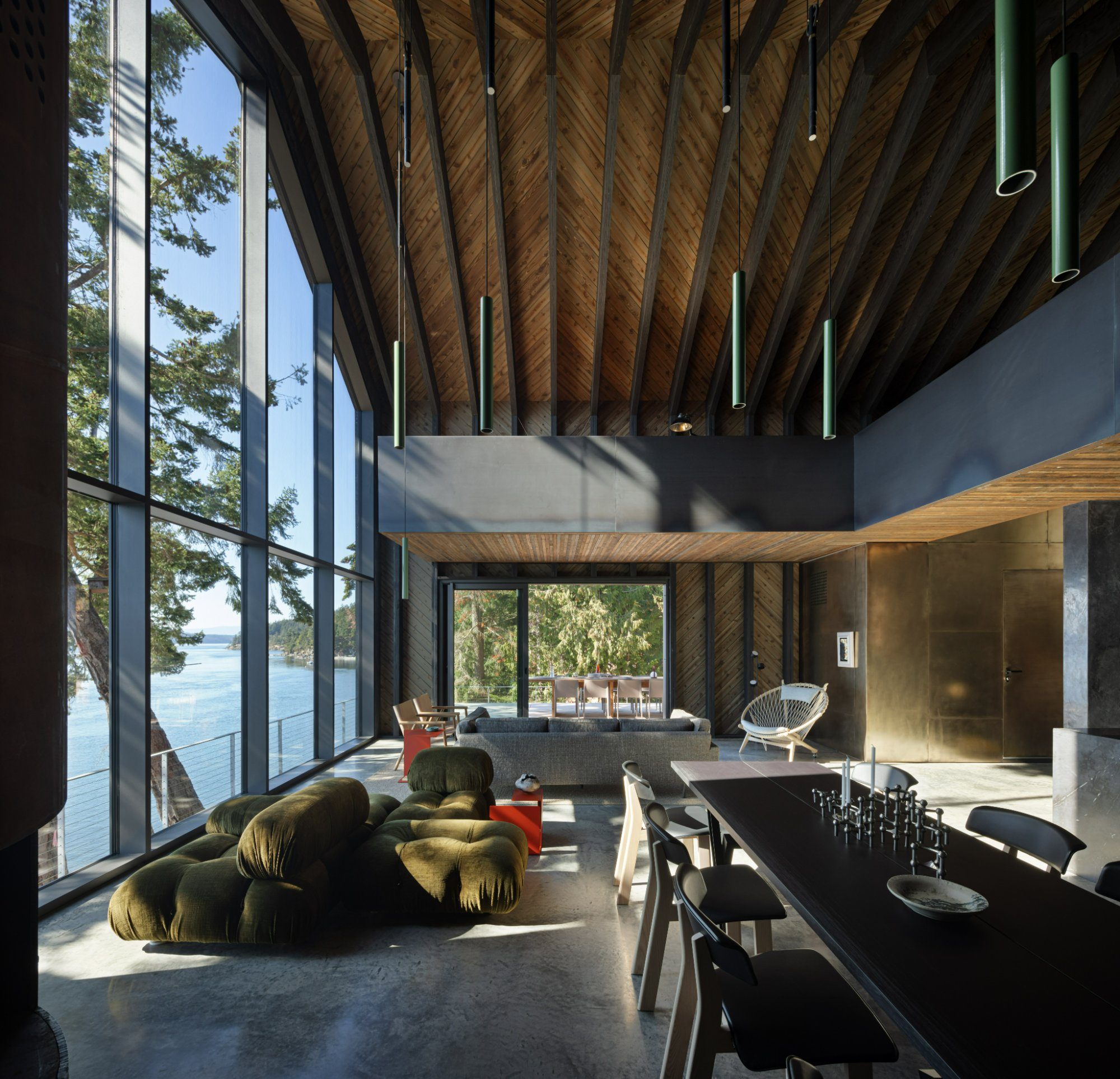
In a world full of steel, concrete, and composites, wood is still holding its ground and for good reason. Wood is one of the most flexible, sustainable, and effective building materials available today. If you’ve ever walked into a room with exposed timber beams or a home that smells faintly of cedar, you know the feeling. Warmth. Strength. And, timeless appeal.
Whether in residential homes or large-scale commercial buildings, its advantages go way beyond looks. They’re practical, long-term, and deeply connect you to both the planet and the people who live in these spaces.
Renovating your kitchen? Sketching out your next architectural project? Or crafting a building that puts sustainability values forward, from the ground up? All of these tasks can get better, and you can choose smartly if you understand the benefits of wood. We want to help you build better and feel good doing it!
A Quick List
Looking for fast facts? Here’s what makes wood stand out:
- Renewable and sustainable
- Naturally insulating
- Lightweight but strong
- Faster to build with
- Beautiful without extra effort
- Stores carbon and lowers emissions
- Easy to shape, adjust, and repair
- Excellent acoustic performance
- Promotes wellness and lowers stress
- Recyclable and long-lasting
Now, let’s go through these a little more deeply, but not too deeply. Just enough to give you a good full picture so that you can decide for yourself!
Related: Jaw-Dropping Design with Charred Wood: Yaroslav Galant’s Signature Style
Top 10 Benefits of Wood as a Building Material

1. Sustainability That’s Not Just a Buzzword
When we talk about wood as a building material, the first thing to highlight is that it’s naturally renewable. Trees grow back. And with proper forest management and certifications (like FSC or PEFC), the process can actually support biodiversity, restore forest health, and reduce overharvesting.
Each harvested tree continues to store carbon throughout its lifetime, even as a structural element. That’s one of the reasons wood is known as a powerful tool in the fight against climate change. It’s the only building material that’s literally grown by the sun.
2. Insulation That Comes Naturally
Wood doesn’t just look warm, it also feels warm. It has a cellular structure that creates air pockets, which trap heat, making it a natural thermal insulator.
Comparing it to steel or concrete, which conduct heat (and cold) far more easily, wood helps maintain a stable indoor climate with less energy input. Translation? You’ll likely spend less on heating and cooling, and the space will feel more comfortable year-round.
3. Strength That Doesn’t Weigh You Down
Don’t be fooled by its softness to touch, wood is very strong for its weight. Cross-laminated timber (CLT) and glulam panels are engineered to carry heavy loads, resist seismic stress, and span wide areas with the least support.
Because it’s light, wood also reduces foundation requirements and makes transport easier and cheaper. Less weight, fewer complications, same structural integrity.
4. Faster Builds, Fewer Headaches
Compared to materials like concrete (which needs curing) or steel (which usually needs complex welding), wood speeds things up.
Pre-fabrication with mass timber, modular wall panels, and standard lumber sizes means structures can go up in days instead of weeks. On-site adjustments are simpler too; no heavy-duty machinery or rebar cutting needed.
If you’re on a tight timeline (and who isn’t?), wood is a reliable time-saver.
5. Effortless Beauty
This might be obvious, but it’s worth saying: wood is just stunning.
The texture, tone, and grain can differ so widely, from warm oak to pale maple to dramatic walnut, that no two spaces feel the same. Exposed beams, wooden ceilings, reclaimed accent walls, they instantly add character without needing paint, plaster, or even polish.
And it ages well. Even the weathered patina of old wood tells a story that’s hard to replicate.
6. Low Carbon Footprint, Big Impact
One cubic meter of wood stores up to a ton of CO₂. That’s a ton of carbon literally pulled from the atmosphere and kept out of it for decades, sometimes centuries.
This makes wood as a building material one of the most climate-positive choices available today. The carbon storage, combined with lower processing emissions (vs. concrete or steel), puts it in a league of its own for sustainable construction.
7. Easy to Work With, Easy to Love
Wood is forgiving. It’s easy to cut, shape, sand, glue, or screw into. Builders appreciate how adaptable it is for on-the-fly changes. You don’t need a warehouse of tools to make it work.
And when maintenance or repairs are needed? You can usually do it without tearing the whole thing apart. That’s not something you can say for poured concrete or welded steel frames.
Related: What is the Japanese wood burn technique?
8. Acoustic Warmth for Human Spaces
Wood doesn’t just hold heat, it also softens sound. That’s why it’s often found in auditoriums, music studios, and meditation spaces.
It absorbs echoes, balances reverberation, and creates a more comfortable auditory environment. For homes, offices, or co-working spaces, wood benefits both focus and calm.
9. Supports Mental Health and Wellbeing
Here’s where science meets feeling: Research shows that people feel better in spaces that include natural materials like wood.
Known as the “biophilic effect,” wooden interiors have been linked to lower cortisol levels (aka stress hormones), reduced heart rate, and increased concentration. It’s not just about looking nice, it’s about feeling safe, grounded, and calm.
In short, wood makes spaces feel human.
10. Recyclable, Reusable, Remarkably Circular
Even after decades of use, wood can live on. Old beams become furniture. Floorboards become wall panels. Unlike synthetic materials, wood breaks down naturally, and when treated properly, it lasts a lifetime.
In an era that values circular economy and zero-waste practices, wood as a building material checks all the boxes.
Final Thoughts: A Material That Just Makes Sense
Whether you’re a homeowner figuring out finishes, a builder working on your next project, or a designer trying to merge aesthetics with impact, wood delivers across the board.
It’s not just for cabins or country homes anymore. It’s showing up in high-rise apartments, office towers, boutique hotels, and yes, your neighbor’s new kitchen. And when you add up the numbers, lower energy bills, reduced emissions, and faster construction, it starts to look a lot like the future.
The bottom line? Wood is timeless for a reason. Warm. Responsible. Reliable.
TL;DR Recap
- Sustainable and carbon-storing
- Insulates naturally
- Strong but easy to handle
- Speeds up construction
- Looks beautiful on day one and year ten
- Boosts indoor wellbeing
- Supports circular design principles
Choosing wood as a building material isn’t just about what looks good now; it’s about what feels right for the long haul.
Related: What is Thermally Modified Wood? Uses, Benefits, Pros And Cons Explained
