

Wood siding adds a little something that most of the other materials can’t: character. It looks natural, feels architectural, and if you choose the right species and care for it properly, it can last for decades. But then, there is no one-size-fits-all answer to how long wood siding lasts. It actually depends on the material, the element, and how often someone is keeping an eye on it.
Let’s know what it looks like in real terms, broken down by wood type, and backed by the kind of care that keeps siding from giving out before its time.
What Impacts How Long Wood Siding Lasts?
Three main forces decide the lifespan of wood siding: the wood itself, the climate it faces, and the maintenance it receives. Miss one of those, and even high-end siding won’t make it far. Get them right, and even a modest material can hold strong for decades.
Factors to watch:
- Species – Cedar, redwood, and thermally modified options naturally hold up better than softer woods like pine.
- Finish – A solid paint or stain isn’t just for looks. It keeps water out and sunlight from breaking the wood down.
- Maintenance – Annual inspections, touch-ups, and occasional resealing go a long way toward extending life.
Where the siding is installed also plays a role. Direct sun, heavy rainfall, or close proximity to damp landscaping can all shorten the clock.
Related: Naturally Weathered vs. Instant Grey Wood Cladding
1. Cedar Siding

Lifespan: 20-60 years
Cedar is one of the most trusted choices for a reason. It holds up well in a lot of climates, thanks to its natural resistance to rot and insects. If it is left unfinished, it fades into a silvery grey, which some homeowners love. If sealed or stained every few years, it can last for several decades with very little drama.
It also resists warping better than most softwoods, which helps it stay visually clean even with minimal upkeep. Just keep an eye on areas where moisture tends to settle, like the base of walls or near downspouts.
2. Redwood Siding
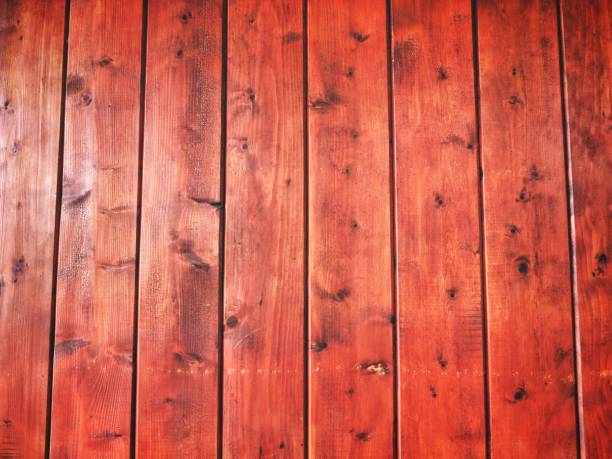
Lifespan: 30-50 years
Redwood shares a lot of the same benefits as cedar, strong resistance to decay, good dimensional stability, but tends to be denser and a little more refined in appearance. It’s also more expensive, and availability may depend on the region.
Where redwood really shines is in wet or coastal environments. It naturally pushes back against fungal growth and holds its shape well, even after years of exposure. With consistent finishing and basic maintenance, it stays structurally sound for decades.
Related: What Is the Japanese Wood Burn Technique?
3. Pine Siding
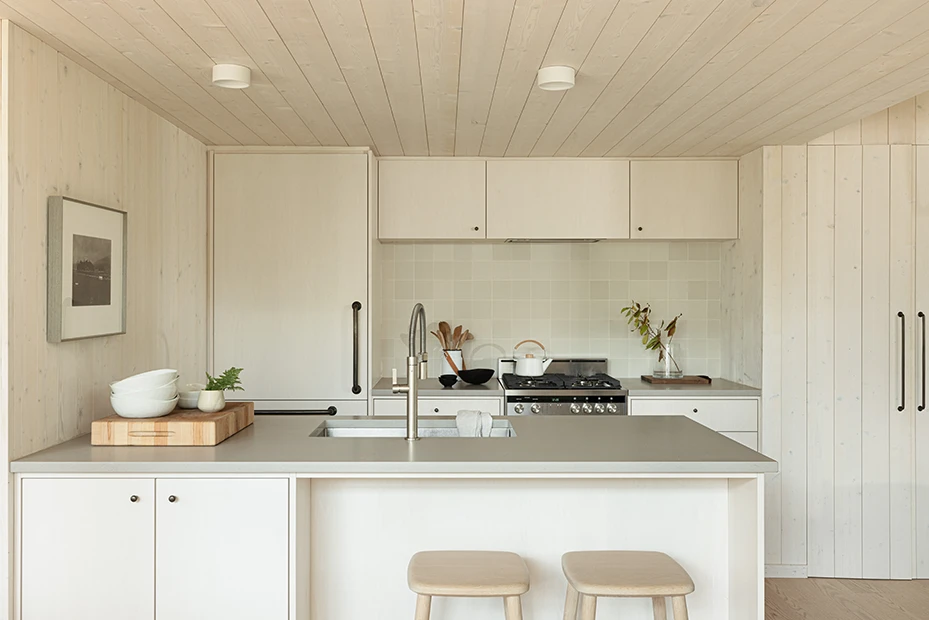
Lifespan: 10-30 years
Pine is usually chosen for its affordability, but that comes with trade-offs. It’s softer and more vulnerable to moisture, warping, and insect activity. That said, it can still hold up when finished properly and inspected regularly.
Painted pine tends to last longer than stained, simply because the coating offers a thicker barrier. But regardless of finish, pine siding demands more hands-on care of the goal of long-term performance.
4. Engineered Wood Siding
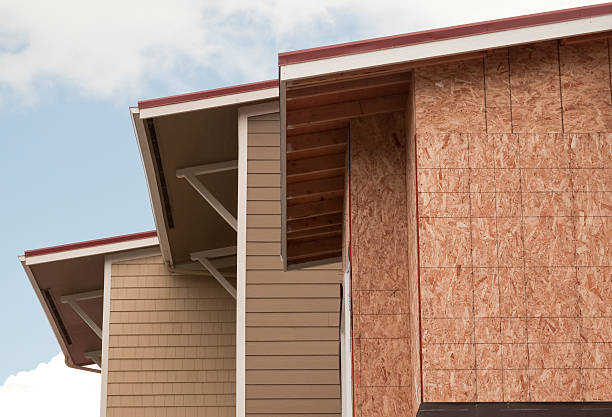
Lifespan: 20-30 years
Not technically solid wood, but still worth mentioning. Engineered wood siding blends wood fibers with resins to create a more stable product that mimics natural grain without some of the unpredictability. Many come pre-primed or pre-finished, which reduces early-stage upkeep.
It won’t age the same way cedar or redwood does, but for those looking for a wood look with a bit more forgiveness, engineered siding can be a solid choice. Just don’t skip routine inspections, moisture can still find its way in at the seams of flashing fails.
Related: 10 Advantages of Using Wood as a Building Material
Installation Style Also Plays a Role
Sometimes it’s not the material, but the way it’s installed that determines how long siding lasts. Different profiles come with their own risks and benefits:
- Clapboard – Horizontal boards that shed water easily and work well in most climates.
- Shingles/Shakes – Great visual texture, but require tight installation and frequent checking for trapped moisture.
- Board-and-Batten – A bold, vertical style that can invite water if battens aren’t properly sealed or flashed.
Regardless of style, good drainage and air circulation behind the siding matter. That’s usually what separates siding that lasts 20 years from siding that holds strong past 50.
Signs Your Wood Siding Is Wearing Out
Regular checks help prevent small issues from becoming structural ones. Some of the most common red flags include:
- Flaking paint or fading stain
- Warping, cupping, or cracking boards
- Black streaks, mildew, or visible rot
- Gaps forming between boards or around nails
- Insect damage, especially near the ground
If caught early, these issues are usually fixable without replacing entire sections.
How to Make Wood Siding Last Longer
Even the most durable siding can’t do everything on its own. Longevity comes down to care. Here’s what matters most:
- Inspect annually. Focus on corners, gutters, and areas where splashback or snow collects.
- Clean gently. A soft pressure wash or a mild soap rinse helps keep mold and buildup in check.
- Re-seal on schedule. Paint holds for 7-10 years, stains typically need a refresh every 5-7.
- Mind the landscaping. Trim plants, avoid letting mulch pile against the base, and reroute any standing water.
- Handle issues early. A small crack in the finish or board isn’t just cosmetic; it’s where water gets in first.
Can You Leave Wood Siding Unfinished?
Yes, but it comes with a cost. Letting siding weather naturally can look beautiful, but unsealed wood is more likely to absorb moisture and show surface damage sooner. If the goal is a grey patina without the risk, look into wood that’s been pre-aged, thermally modified, or treated for outdoor use.
Related: What Are Rainscreen Cladding Systems and How Do They Work?
Wood Siding Lifespan by Type: Quick Overview
| Wood Type | Lifespan Range (Years) | Notes |
| Cedar | 20-60 | Best when sealed; resists decay well |
| Redwood | 30-50 | Stable in wet climates, with low movement |
| Pine | 10-30 | Needs consistent maintenance |
| Engineered Wood | 20-30 | Lower upkeep, factory finishes help |
Final Take
Wood siding doesn’t have to be high-maintenance to be long-lasting. Choose the right species, apply the right finish, and stick to a basic care routine, and the payoff is decades of performance and style. Whether you’re building new or looking to preserve what’s already there, a little attention goes a long way in making wood siding last.
Built to Last. Designed to Weather Beautifully.
Explore exterior wood cladding that performs as well as it looks. Crispwood Co. offers premium-grade species, expert milling, and finishes made to endure. Browse our siding profiles or get in touch to talk through the right fit for your project.
