

If you’ve ever stood in a stunning room and thought, “Wow, what’s making this floor pop?” then there’s a good chance it was one of the two iconic patterns: herringbone or chevron. At first glance, they just might look like cousins. But after having a closer look, you’ll see that they have their own personalities, design histories, and vibes.
So, what’s the real difference between them? And which one should you choose for your space?
Let’s find out, clearly, simply, and yes, beautifully.
What Is Herringbone Flooring?
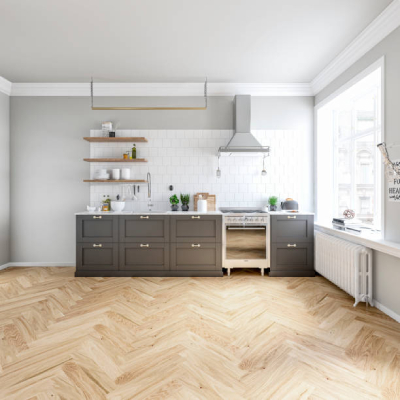
Herringbone flooring is made by arranging straight planks in a zigzag where each piece meets at a 90-degree angle. The result is a broken, woven-like pattern that feels timeless and adds quiet detail to a space without being too bold.
What Is Chevron Flooring?
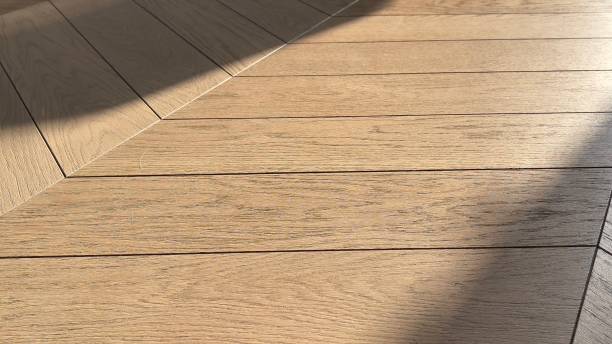
Chevron design is created by placing planks cut at an angle so they meet in a continuous point. The forms a clean, seamless zigzag that feels modern and bold, adding strong visual direction without overwhelming the space.
Related: 10 Advantages of Using Wood as a Building Material
Herringbone vs Chevron: Quick Comparison
If you’re still squinting between the two and wondering, “Okay, but how are they actually different?”. To make it easier, a side-by-side breakdown is here for your rescue.
| Feature | Herringbone | Chevron |
| Plank Shape | Uses standard rectangular planks | Plank ends are cut at an angle to form a continuous point |
| How It Looks | A staggered, broken zigzag, more organic and traditional | A clean, sharp “V” shape that runs in a straight line |
| Vibe & Feel | Timeless and textured, it leans a bit classic and cozy | Sleek, bold, and directional, great for making a modern statement |
| Ease Of Installation | Generally easier since the cuts are straight | Trickier, needs precision and experience to align angled cuts perfectly |
| Cost | Usually more budget-friendly | Usually pricier because of added labor and cutting accuracy |
| Best For | You’re after a warm, lived-in aesthetic with some historic charm | You want something eye-catching, symmetrical, and a bit more high-design |
What Makes Herringbone Special?
There’s something extremely cozy and grounded about the herringbone pattern. It’s been used for centuries, in Roman Roads, Parquet floors in French Chateaus, and now in modern homes that want that old-meets-new feel.
Why people love it:
- It feels familiar but never boring.
- It adds movement and interest without stealing the show.
- It’s great at hiding small imperfections (a win if you’ve got kids, pets, or a lived-in life).
Design Tip: If you’re going for a Scandinavian, rustic, or classic European aesthetic, herringbone has your back.
Related: Jaw-Dropping Design with Charred Wood: Yaroslav Galant’s Signature Style
What Sets Chevron Apart?
Now, chevron floor patterns? They’re the bolder sibling. The fashion-forward one that walks into a room and owns it. Because the planks meet in a perfect point, the result is visually sharper and more dynamic.
Why it’s a showstopper:
- It creates a sense of motion, almost like the floor is pointing somewhere.
- The pattern feels modern, clean, and intentional.
- It goes well with minimalist and luxe spaces.
Design Tip: If you’re going for a high-end loft, a chic Parisian-inspired space, or a room that needs a clear “wow” factor, go with this.
Is One Easier to Install?
Absolutely, and that matters when you’re budgeting both time and money.
- Herringbone uses straight planks and is generally easier to lay down (especially with click-and-lock systems).
- Chevron, with its accurately angled cuts, needs more attention to detail and usually a more experienced installer.
So if you’re doing DIY or want to keep install costs down, herringbone wins in this category.
Herringbone Floor Pattern: When to Use It
Thinking herringbone might be your vibe? This is when it really shines:
- Timeless design that doesn’t scream for attention.
- Working with a traditional or transitional home.
- Want something elegant but forgiving, especially if you’ve got a lot of foot traffic or not-so-level subfloor.
- On a tighter install budget (and timeline).
Herringbone is also great for larger spaces like open-concept living areas or long hallways, where the staggered pattern adds interest without overwhelming the space.
Related: Why Wood Is the Most Imitated Building Material in Architecture and Design
Chevron Floor Pattern: When to Use It
If you’re leaning toward chevron, here’s when it the best:
- You want a luxe, editorial-style floor.
- Designing a small space and wanting to elongate or guide the eye.
- You’re okay with a bit more investment upfront for a more dramatic finish.
In small doses, it also looks incredible in accent walls, entryways, or powder rooms.
Can You Mix and Match?
Absolutely. Designers are getting playful by mixing herringbone floors in one room with chevron details in another, like a transition strip in a hallway, or a feature wall in a dining room. Just keep materials and colors consistent to avoid visual chaos.
Which One Should You Choose?
Ask yourself these questions:
- Are you after a cozy, timeless feel? Go with Herringbone.
- Want something sharp, modern, and bold? That’s Chevron.
- Looking at your budget and install time? Herringbone is more forgiving.
Neither one is better; they’re just different. It’s like choosing between a leather jacket and a tailored blazer. It just depends on your style.
Final Thoughts: Herringbone vs Chevron
At the end of the day, “herringbone vs chevron” isn’t about which pattern is superior. It’s about which one feels like you. Both patterns can totally transform a space. Both have history. Both turn heads. It just comes down to what vibe you’re going for and how bold you’re ready to be.
So take a breath, scroll through some inspiration, maybe hold up a sample or two, and go with what makes your heart say, “Yes. That one.”
