

Grey wood cladding is having a moment, and for good reason. It’s timeless, earthy, and quietly luxurious. Whether it’s the silver shine of weather cedar or a modern pre-finished board that nails that soft driftwood grey, this finish speaks to those who want character without constant upkeep.
But here’s the real question:
Should you let your wood naturally age into grey, or choose a pre-finished product that gets you there on day one?
Let’s break it down, no jargon, or oversell. Just what you need to know before making the call.
What is Naturally Weathered Cladding?
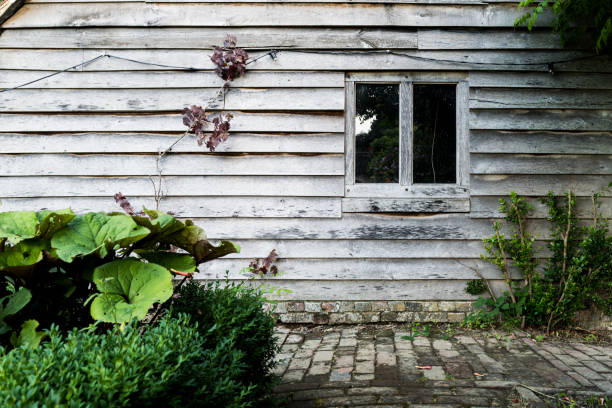
When left untreated and exposed to the elements, wood begins to lose its original tone. UV rays, moisture, and time slowly strip away pigments, especially in species like Western Red Cedar, Douglas Fir, and Larch.
The result? A soft, silvery-grey patina that blends beautifully into natural landscapes.
But, and this is important, it doesn’t happen evenly or quickly. Some boards will grey faster than others, depending on sun exposure, climate, and orientation. North-facing walls might stay patchy longer, while others catch up months later.
It’s nature’s version of aging, and like all aging, it’s unpredictable.
Related: What Is the Japanese Wood Burn Technique?
What is Instant Grey Wood Cladding?
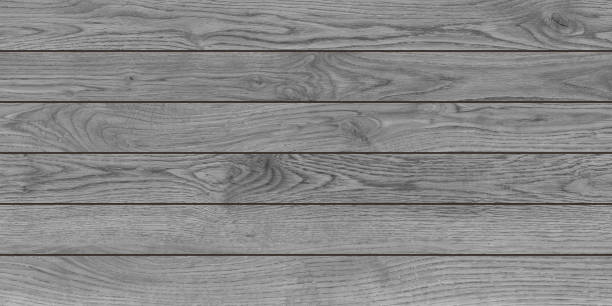
Instant Grey Wood Cladding refers to boards that are pre-finished to look like they’ve been weathered for years, even though they haven’t spent a day outside. The finish is typically a factory-applied stain or wash that mimics the tone of naturally aged timber.
These products are all about control:
- Even tone from day one
- No wait time
- No surprises
It’s ideal for homeowners and architects who want that matured look upfront, or when consistent facade aesthetics are non-negotiable (think: modern cabins, multi-unit projects, tight timelines).
Naturally Weathered vs. Instant Grey Cladding – What’s the Real Difference?
| Feature | Naturally Weathered Cladding | Instant Grey Wood Cladding |
| Appearance | Organic, changes over time | Consistent and controlled |
| Time to achieve grey | 6 months to 2+ years | Immediate |
| Maintenance | Low but uneven in the early years | Very low and stable tone |
| Cost | Lower upfront, might need sealing | Higher upfront, fewer touch-ups |
| Environmental Exposure | Patina depends on the sun, rain, and wind | No dependency |
| Architectural Use | Rustic, natural, traditional builds | Clean, modern, design-led projects |
Why Choose Naturally Weathered Cladding?
It’s the purist’s choice. No coatings, no finish. Just wood doing what wood does, responding to its environment.
You might lean towards this if:
- You’re building in a rural or coastal setting
- The irregularity of ageing feels authentic to your project
- You prefer minimal intervention and maximum character over time
Heads Up: Some people don’t love the in-between stage. Expert patchiness in the first year or two. If uniformity is your thing, this route may test your patience.
Related: What is Thermally Modified Wood? Uses, Benefits, Pros And Cons Explained
Why Choose Instant Grey Cladding?
You want the look, yesterday. Instant grey gives you that weathered elegance without waiting for nature to play its part.
It works well when:
- The finish is a major design feature
- You need visual steadiness across elevations or multiple structures
- You’re working with strict build timelines or HOA restrictions
It’s also a smart pick for those who want a low-maintenance grey finish from day one. Especially in shaded areas where natural weathering would take longer.
Does One Last Longer Than the Other?
Not necessarily. Both can perform well for decades when the right species and detailing are in place.
That said, pre-finishing cladding offers better protection upfront, especially when paired with a clear topcoat. With naturally weathered wood, you’ll want to be selective about species and installation practices (ventilation, overhangs, etc.) to avoid premature wear or staining.
Related: What Are Rainscreen Cladding Systems and How Do They Work?
Can I Start with Instant Grey and Let It Weather Naturally?
Absolutely. In fact, some pre-finished products are designed to fade gradually into a natural patina. That means you get the best of both: a clean grey from day one, and a graceful transition as the wood ages.
Just make sure the finish is breathable and doesn’t seal the wood completely, otherwise, you’ll block the natural ageing process.
What About Maintenance?
Here’s where grey cladding shines, whichever route you choose. Unlike darker stains or vibrant hues, grey hides the effect of sun and time well. It doesn’t peel like paint or demand frequent touch-ups.
Naturally Weathered Cladding:
- No coatings to reapply
- Occasional rinse or gentle scrub to remove dirt or mildew
- Might need a preservative if in damp or shaded areas
Instant Grey Cladding:
- Minimal upkeep if factory-treated well
- Clean as needed
- Some products may benefit from a recoat every 7-10 years, but that’s rare
Related: Wildland Urban Interface Explained: Risks, Challenges, and Safety Tips for Homeowners
Final Thoughts: Which One’s Right for You?
If you’re after raw honesty and don’t mind the unpredictability of weathering, go natural.
If you’re chasing clean lines, predictable finishes, and instant design payoff, go pre-finished.
There’s no wrong answer here. Just two different paths to that weathered grey look everyone loves.
People Also Ask
Is Instantgrey cladding better than letting wood age naturally?
Rather than better, it is just different. Instant grey offers consistency and control, while natural ageing brings organic character. It’s a matter of project goals and personal preference.
Does instant grey wood fade?
Yes, slightly, but most quality finishes are designed to fade into a soft natural tone, not peel or streak.
Can you fake the look of weathered wood?
You can get impressively close. Today’s instant grey finishes are formulated to mimic natural ageing with texture, tone variation, and grain exposure.
What’s the most low-maintenance grey wood cladding?
Pre-finished cladding in a grey tone is generally the lowest-maintenance option, especially if it includes a UV-stable topcoat. That said, well-detailed naturally weathered cedar or larch can be nearly as hands-off.
Wrap-Up
Grey cladding doesn’t have to be a gamble. Whether you wait for time to work its magic or jump straight to the look you love, both naturally weathered and instant grey cladding give you lasting style with minimal fuss.
Choose the one that matches your timeline, your project vibe, and how much you like surprises.
Related: Why Wooden Slats Are a Smart Choice for Contemporary Architectural Designs
