
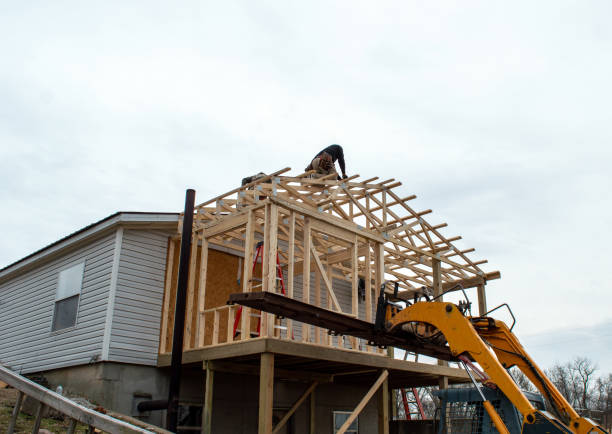
Wood siding can start to look a little rough, or worse, because of moisture in a few years. If this is something you are facing, then it’s necessary for you to do something about it quickly. One of the first thoughts is one of confusion, whether you can replace it yourself or do you need to call in a professional.
This guide will help you understand everything by breaking down the information in the easiest way about replacing siding on a house. This is a full walkthrough for DIYs, as well as wanting to know what a contractor would do.
It’s all facts, steps, costs and real talk.
What Is Wood Siding and Why Does It Need Replacing?
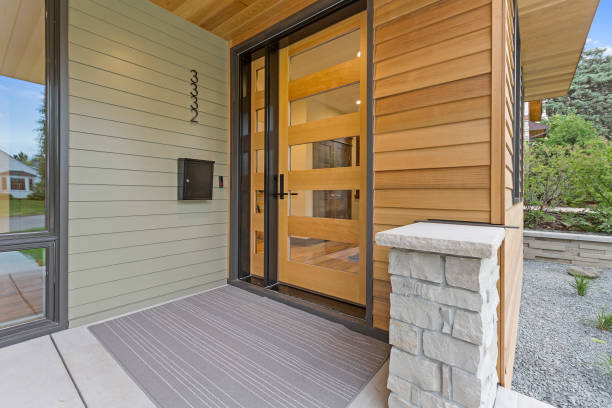
Wood siding is wooden boards or panels installed on the outside of your house. It gives homes that classic, natural look. But when it’s exposed to weather, moisture, pests, and time, it starts to lose its shine and charm since wood doesn’t last forever.
Common Signs Your Siding Needs Replacing:
- Cracks, warping, or rotting boards
- Peeling paint or soft spots when pressed
- Gaps that let in moisture or bugs
- Rising energy bills from poor insulation
- Mold or mildew along the seams
Sometimes you can patch the small areas. But if the damage or rot is widespread, then a full replacement is usually the smarter long-term move.
Related: How Long Does Wood Siding Last? Lifespan by Type & Maintenance Tips
Can You Replace Wood Siding Yourself?
Yes, if you are handy and have the time. But it’s not a small job.
You’ll need to:
- Be comfortable using power tools
- Know how to safely remove and reinstall siding
- Handle measuring, cutting, and aligning boards
- Work from a ladder or scaffolding
When to DIY:
- It’s a one-story house
- Damage is limited to one side or section
- You’ve done exterior work before
When to call a pro:
- Two-story or hard-to-access areas
- Significant rot or structural issues
- You need the job done fast and clean
Tools & Materials You’ll Need (For DIY)
Basic Tools:
- Pry bar
- Circular saw or miter saw
- Hammer or nail gun
- Chalk line
- Level
- Safety gear (gloves, goggles, dust mask)
Materials:
- New wood siding boards (match existing type if possible)
- House wrap or moisture barrier
- Galvanized nails or screws
- Exterior-grade caulk
- Paint or stain to finish
Need Quality Wood for Your Siding Project?
Crispwood carries premium-grade Western Red cedar, Pine, Hemlock and other wood siding options built to last, and look good doing it. Our boards and panels have the right profile, grain and finish to improve your exterior.
Explore Our Wood Siding Collection!
How to Replace Wood Siding on a House in 5 Steps
1. Inspect & Plan
Start by figuring out how much siding you need to replace. Check behind the boards for signs of water damage or rot. Measure carefully and order a bit more than you think you need.
2. Remove the Old Siding
Use a pry bar to carefully take off the damaged boards. Watch for nails, and go slow to avoid damaging near siding. Always start from the top and work your way down. This keeps lower boards in place until you’re ready.
If nails are rusted or stubborn, use a reciprocating saw to cut through them. And if your home was built before 1978, test the paint first. Older homes may have lead-based paint, which needs special handling.
3. Prep the Wall
Look closely at the sheathing (the plywood or OSB behind your siding). If it feels soft, moldy, or crumbles when you poke it, you will need to cut it out and replace those sections. Don’t cover up damage; otherwise, it will just trap moisture and cause bigger problems later.
If everything looks solid, check the house wrap or moisture barrier. Patch or replace it before installing anything new. Think of this as the foundation for your siding. If it’s weak, then your siding won’t last.
Related: What is Thermally Modified Wood? Uses, Benefits, Pros And Cons Explained
4. Install the New Siding
Line up your new boards, level them, and fasten them using galvanized or stainless steel nails. Start from the bottom and work up. If you’re using horizontal lap siding, overlap boards by at least 1 inch and make sure ends fall over a stud, not just an open wall.
Leave a ⅛-inch gap between the siding and trim to allow for expansion. Caulk that space to keep water out while letting the wood move naturally.
Pro Tip: Don’t drive nails too deep. They should sit flush with the board, not sunk in, so they don’t split the wood or collect water.
5. Caulk & Finish
Seal around all seams, joints, windows, and doors using high-quality exterior caulk. Then paint or stain the boards to match the rest of the house, or refresh the whole exterior or a uniform finish. Make sure the paint you use is rated for wood exteriors and can handle moisture and UV exposure.
Cost Breakdown: DIY vs Pro (And What Crispwood Can Offer)
Here’s a rough idea of what you might spend:
| Item | DIY Cost | Pro Cost |
| Materials (per sq. ft.) | $2-$6 | $8-$20 |
| Tools (buy/rent) | $100-$300 | N/A |
| Labor | Your time | $5-$12 per sq. ft. |
| Total for 1,000 sq. ft. siding | $2,000-$4,000 | $7,000-$12,000 |
Want to know what it costs when you work with Crispwood?
We don’t just drop materials and leave; we help with material selection, professional siding installation, and long-term value. Reach out for a custom quote based on your exact siding goals and home size.
Tried DIY and Still Need Help? Here’s How Crispwood Replaces Wood Siding on a House
Sometimes DIY doesn’t go as planned, and that’s okay. At Crispwood, we work with homeowners and contractors across the region to provide turnkey wood siding replacements that are done right the first time.
The Process with Crispwood:
- We will consult with you before anything. There will be questions about the situation you’re facing, like dealing with rot, ageing boards, or if you need a full siding overhaul. We’ll assess everything and help you figure out the best material and profile for your home.
- You can choose from our premium wood options like Western Red Cedar, Hemlock, Pine, custom finished siding, and others. Our inventory is architect-grade and hand-selected for performance and beauty.
- We coordinate with licensed and vetted installers. We’re not just supplying the wood. We will help you by ensuring your siding is installed by pros who know how to work with high-end materials and meet modern building codes.
- We stay involved from delivery to the final coat. Our team checks in throughout the project to make sure things go smoothly.
If you’re having trouble with DIY or have hit a wall or want the peace of mind that comes with expert help, Crispwood makes wood siding replacement simple, beautiful, and built to last.
Mistakes to Avoid
- Not Checking for Rot Underneath
You’ll waste time and money putting new siding over a rotten base. It won’t be able to hold nails properly, and the new boards won’t stay flush.
- Skipping the Moisture Barrier
This traps moisture in the walls. Eventually, you’ll get mold, rot, and insulation damage.
- Installing Boards Too Tight
Wood naturally expands and contracts. No room to breathe = warped boards or cracked paint.
- Using the Wrong Nails
Cheap nails rust and leave streaks. Worse, they can cause staining or rusted-out holes in the siding over time.
- Poor Sealing Around Windows and Doors
Water will snake in here first, so make sure you flash these areas and use quality caulk.
Related: Naturally Weathered vs. Instant Grey Wood Cladding
When Is the Best Time to Replace Wood Siding?
Spring and fall are ideal, with mild temperatures and less rain. Try to avoid siding work during extreme heat, freezing temperatures, or wet weather. If you’re painting the siding, you’ll want dry days and no direct sun during application.
Should You Replace Just One Section or the Whole Thing?
If the damage is isolated (like one wall or a few boards), you can probably just do a partial replacement. But if your siding is old, mismatched, or has widespread rot, replacing all of it might be more cost-effective in the long run.
A full replacement also gives you the option to change materials, like switching from wood to engineered wood or fiber cement.
Maintenance Tips
- Check yearly for cracks, rot, or bugs. Use a flashlight to check shady areas or behind the bushes. If there are small holes or tunnels, then it could be a sign of carpenter ants or termites.
- Repaint or restrain every 5-7 years. This will protect the wood from UV damage and moisture. If the paint is peeling off, then it’s time to redo it.
- Keep bushes trimmed away from the house. Plants hold moisture against the siding and attract insects. Give at least 6-12 inches of space.
- Clean with mild soap, not a pressure washer. A soft-bristle brush and water with a little dish soap is safest. Pressure washing can force water behind the boards.
- Fix minor damage early. A cracked board or loose nail might not seem urgent, but one winter later, it could mean full replacement.
Final Thoughts
Replacing wood siding isn’t a small job, but it’s doable with the right prep and mindset. Know your limits, plan ahead, and don’t cut corners. You can tackle it yourself or hire a professional for help. Fresh siding adds serious curb appeal and protects your home for years to come.
Want help choosing the right siding or finding a trusted installer?Let Crispwood walk you through it, from material selection to job completion.
