
Buildings don’t fail overnight. They slowly rot, mold, warp, and leak, all thanks to moisture that sneaks in and never quite leaves.
That’s where rain screen cladding systems come in. They’re not just a modern design feature. They’re a smart defense against water, and are becoming a standard in everything from high-end architecture to code-compliant construction.
So, let’s break it all down. What a rain screen system is, how it works, and why builders, architects, and property owners are making it their go-to wall design.
What Is a Rain Screen System?
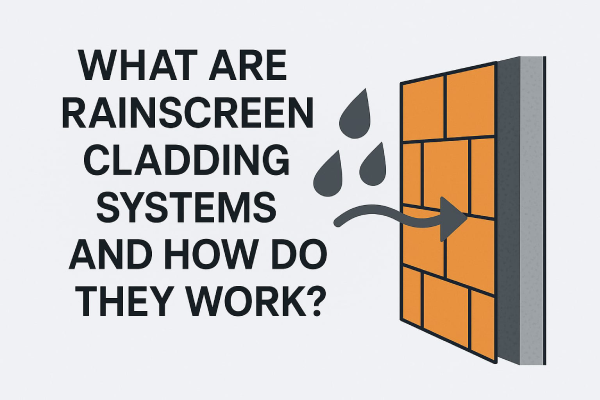
A rain screen system is a multi-layered exterior wall setup made to keep buildings dry, not by blocking water completely, but by managing it.
In simple words, the cladding (the outer layer you see) sits away from the building’s main wall. That small gap in between? It’s everything. It allows moisture to drain and air to circulate, which helps walls dry out before damage sets in.
Unlike old sealed walls that try to block every drop, rain screen systems accept the fact that some water will always get in, and they’re built to handle it.
Why Do We Need Them?
Because weather happens.
Rain, snow, humidity, wind-driven storms, they all test a building’s envelope. Over time, that exposure wears things down, especially if moisture gets trapped inside walls.
Here’s what happens without a rain screen:
- Moisture builds up inside the walls
- Insulation gets soaked
- Mold grows
- Wood rots
- Paint peels
- Energy efficiency drops
- Structural damage creeps in
Now, here’s what happens with a proper rain screen cladding system:
- Water drains out
- Air moves in
- Walls dry faster
- Materials last longer
- The building performs better year-round
It’s not just protection, but also about performance and durability.
Related: What Is Modified Wood? Benefits, Drawbacks, and Uses Explained
How Rain Screen Cladding Systems Work
Every rain screen system works on the same basic principle: controlled gaps for drainage and ventilation.
This is how it is:
- Rain hits the cladding.
This is the outer material. It can be metal, wood, fibre cement, etc.
- Some moisture gets past the joints.
No exterior system is 100% sealed, and that’s okay.
- The water hits the cavity (the air gap).
It drains down and evaporates fast, thanks to the airflow.
- Behind that is a weather barrier.
This layer is like one last defense. It keeps the building’s structure safe and dry.
That airflow cavity is important. It balances pressure (which stops wind from forcing the water deeper) and helps in drying. Fast.
Main Parts of a Rain Screen System
Every rain screen cladding system has a few essential components, even if the materials and layouts are different.
- Cladding Panels: The outside layer that you can see. Sturdy, decorative, and made in a way that it can stand harsh weather.
- Ventilated Cavity: Usually 10-50mm deep. Allows drainage and airflow.
- Furring Strips/Substructure: Supports the cladding and creates the gap.
- Water-Resistive Barrier (WRB): Keeps moisture from reaching the wall sheathing.
- Drainage Paths: Typically at the top and bottom to allow air in and water out.
- Flashings: Guide water away from vulnerable joints and seams.
Together, these layers create a wall system that’s breathable, watertight (where it really matters), and long-lasting.
Types of Rain Screen Cladding Systems
Different climates, budgets, and buildings call for different setups. Here are the main types:
| Type | Where It Works | What It Does |
| Drained & Back-Ventilated | Most buildings, all climates | Cladding blocks most of the rain. Any water that gets in the drains or dries in the cavity. |
| Pressure-Equalized (PERs) | High-rises, windy zones | Uses air pressure balance to stop water from being forced behind the cladding. |
| Open-Joint Systems | Modern builds, dry or mild climates | Gaps between panels. Looks sharp. Needs a solid barrier behind to stop water. |
| Closed-Joint Systems | Wet or cold climates | Tight seams. Offers stronger protection from rain and wind-driven moisture. |
Materials Used in Rain Screen Cladding
Rain screen systems are flexible. You can mix performance and aesthetics. Common cladding materials include:
- Fibre Cement Panels
Affordable, durable, fire-resistant.
- Aluminum and Steel Panels
Lightweight and sleek. Common in commercial and contemporary residential builds.
Warm, natural, but needs treatment and maintenance.
- Composite Panels (ACM, HPL)
Modern, customizable, and usually used in urban or institutional projects.
- Terracotta or Stone
Higher-end, premium look, long lifespan.
No matter the cladding, what matters most is the system behind it.
Related: Wildland Urban Interface Explained
Advantages of Rain Screen Systems
If you’re wondering why they’re growing in popularity, then this is the reason:
- Extended Building Lifespan
Moisture is one of the top reasons buildings crumble down with time. This system stops that damage even before it starts, adding years or even decades to the life of your exterior walls.
- Energy Efficiency
Wet insulation doesn’t work. These systems keep it dry, which helps buildings stay warmer in winter and cooler in summer. That means low electricity bills and more consistent indoor comfort.
- Sustainability
Many rain screen systems use recyclable materials and support better thermal performance, which cuts emissions long term. Plus, the sturdiness means fewer repairs, less waste, and fewer resources used down the line.
- Low Maintenance
Paint doesn’t peel. Panels don’t rot. And you’re not patching leaks every spring. A well-installed rain screen system stays looking sharp with barely any maintenance.
- Architectural Freedom
Wood, metal, fibre cement. Rain screen systems work with almost every material. That gives designers more room to experiment without holding back on the performance.
These systems are a part of a bigger shift: smarter buildings that last longer, work harder, and look better doing it. Not just a trend, a better way to build.
Where Are These Systems Used?
Pretty much everywhere now. You’ll see them on:
- Custom homes
- Mid-rise and high-rise condos
- Office buildings
- Schools and universities
- Hospitals
- Public buildings
- Net-zero and Passive House projects
Whether it’s for code compliance or peace of mind, builders are making the switch.
Cost: Is It Worth It?
Upfront? It’s more expensive than a basic cladding job.
But over time? It saves you more than it costs.
With this, you avoid:
- Rot and water damage
- Costly repairs
- Insulation failures
- Mold remediation
Plus, it adds to resale value, especially with today’s energy-conscious buyers.
Frequently Asked Questions
It’s a wall system that uses an outer cladding and an air gap to protect the real wall behind it. Water that gets past the cladding drains out or dries up fast, so nothing stays trapped.
Regular siding tries to block water completely. Rain screen systems accept that water will get in, and give it a way out. That makes them more durable and way better at preventing mold or rot.
Yes. They keep insulation dry and let walls breathe, which helps maintain indoor temperatures and lowers electricity costs over time.
For most buildings, yes. You pay more upfront, but you save on repairs, energy, and long-term maintenance. Plus, it boosts building value.
Final Thoughts
Rain screen systems aren’t a luxury. They’re smart building science.
They help walls breathe, drain, and dry out naturally, instead of sealing moisture in and hoping for the best. Whether you’re designing a new building or retrofitting an old one, this system is worth considering and thinking about.
It’s one of the best ways to protect what you build, from the inside out.
Crispwood Supplies the Finishes that Finish the Job
We supply materials that don’t just look good, they last, perform, and meet the standard your work deserves. If you’re designing or building with rain screen systems, make sure what’s behind the cladding is as reliable as what’s in front of it!
